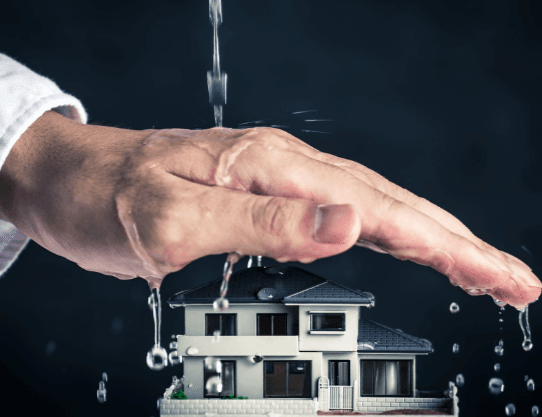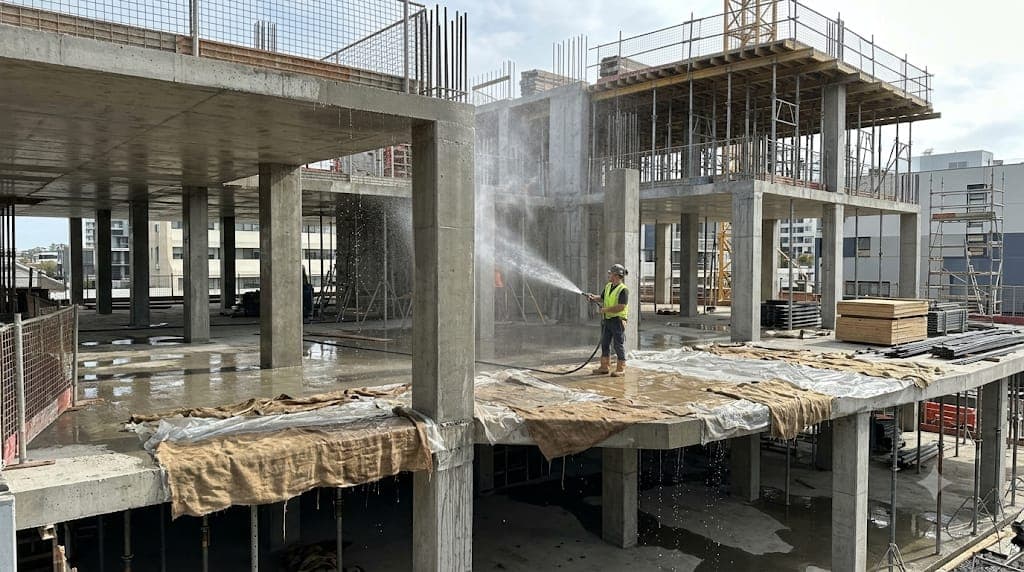
Waterproofing is essential to protect your building from moisture damage, structural deterioration, and costly repairs. From terraces exposed to harsh weather to bathrooms facing daily water exposure, proper waterproofing safeguards concrete, prevents leakage, and maintains a healthy living environment. Discover why investing in quality waterproofing during construction or renovation is crucial for your building’s durability, safety, and long-term value.
When designing or renovating a property, most of our attention naturally gravitates toward visible finishes—marble flooring, elegant paint tones, high-end sanitary fittings, and modern architectural accents.
However, the real longevity of any structure lies hidden beneath the surface. Among all protective measures, waterproofing is the single most critical investment you can make to protect your building’s structural integrity, interior aesthetics, and indoor health.
Water is a persistent element. Given the slightest pathway, moisture seeps into concrete, corrodes steel reinforcement, destroys drywall, fosters harmful mould, and compromises the building’s foundation.
Here is an in-depth look at why comprehensive waterproofing—especially for terraces and bathrooms—is essential for every property owner.
1. Why Whole-Building Waterproofing Matters
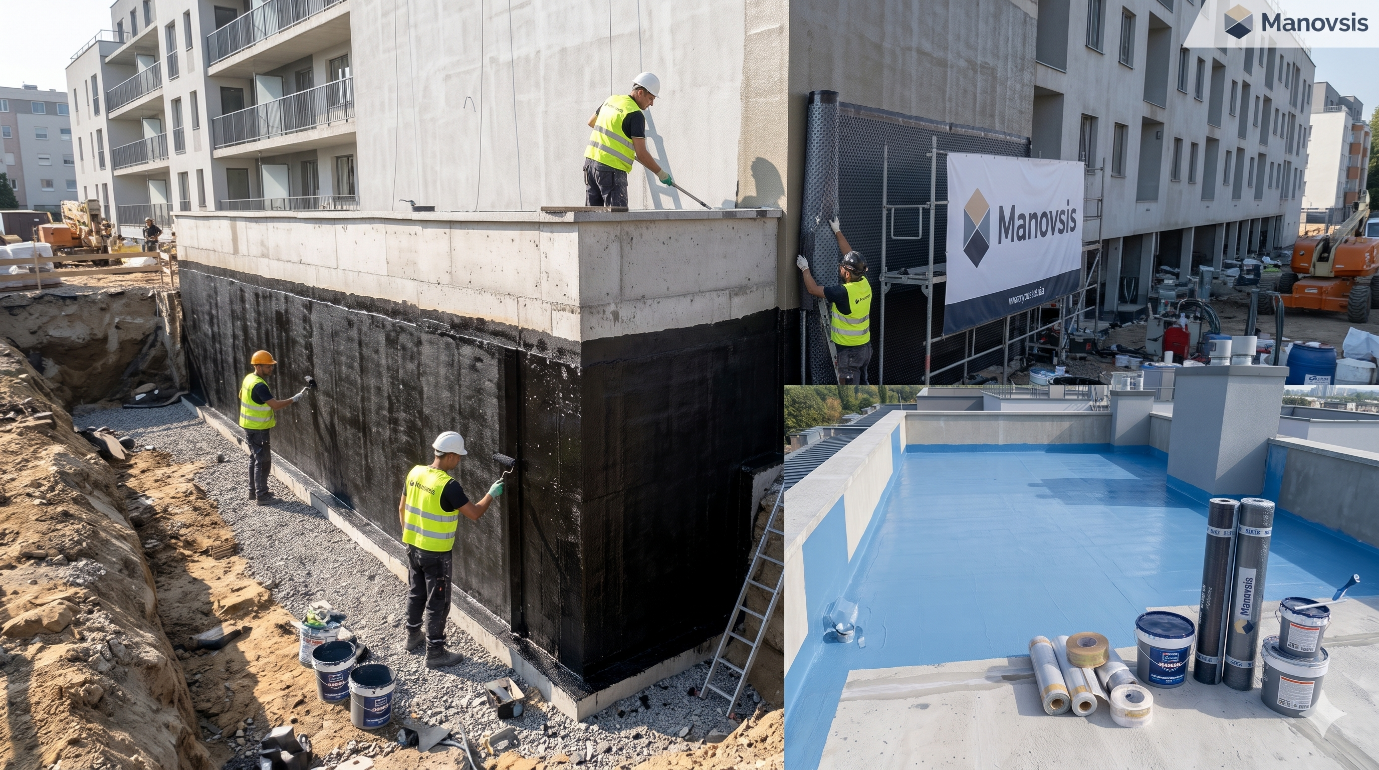
Concrete is inherently porous. Under a microscope, cured concrete consists of tiny capillaries and micro-fissures. When exposed to rainwater, ground moisture, or plumbing leaks, water penetrates these micro-channels.
Key Risks of Inadequate Building Waterproofing:
Structural Weakening (Spalling & Rebar Corrosion): When moisture reaches the embedded steel reinforcement within concrete slabs and pillars, the rebar rusts. Rust expands up to several times its original volume, exerting immense internal pressure on the concrete. This causes cracking, flaking, and spalling—drastically reducing the structural lifespan of the building.
Efflorescence and Aesthetic Ruin: Moisture dissolves mineral salts inside concrete and mortar, pushing them to the surface as unsightly white, powdery deposits known as efflorescence. It causes plaster to blister, peel, and flake off.
Health Hazards from Mold and Mildew: Damp walls create the ideal environment for black mould and fungal spores. Prolonged exposure can trigger severe respiratory illnesses, allergies, and chronic asthma among occupants.
Exponentially Higher Repair Costs: Fixing water damage after it appears on ceilings and interior walls costs significantly more than applying proper waterproofing membranes during construction or scheduled renovation.
2. Terrace Waterproofing: Shielding the First Line of Defence
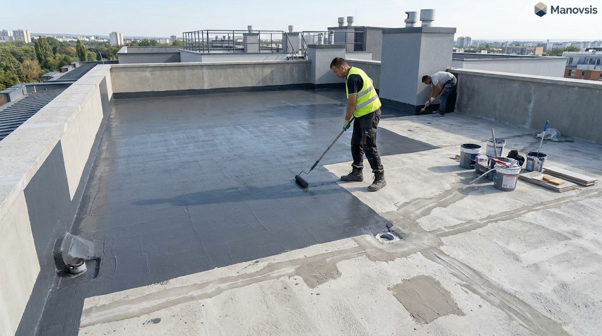
A building’s terrace or roof slab bears the brunt of the external environment. It faces relentless cycles of blazing solar heat, torrential rainfall, and temperature swings that cause continuous thermal expansion and contraction.
Why the Terrace Is Prone to Failure:
Ponding Water: Slight imperfections in slope cause rainwater to pool in stagnant patches, giving water prolonged contact to penetrate micro-cracks.
Thermal Fatigue: Concrete expands in the daytime heat and contracts at night. Without a flexible, elastomeric barrier, these cyclic movements create fractures over time.
3. Parapet Joints & Drainage Points: The transition points between the horizontal slab and vertical parapet walls, as well as the areas around rainwater collection drains, are common leakage hotspots.
Effective Terrace Waterproofing Practices:
Ensure Proper Slope/Gradient: Always ensure the screed has a minimum slope of 1:100 toward rainwater downspouts to eliminate standing water.
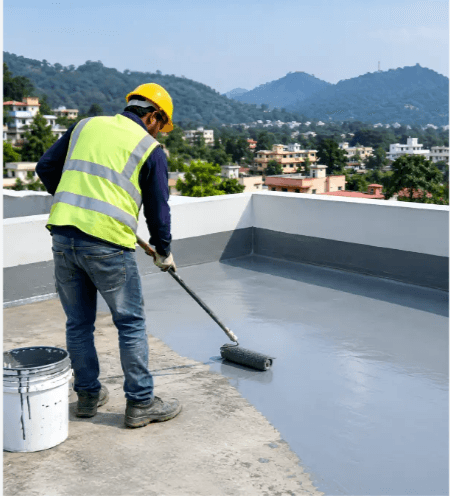
Elastomeric Liquid Membranes or Polyurethane (PU) Coatings: Seamless, UV-resistant, and highly flexible coatings stretch with structural movement without rupturing.
Fillet Coving at Junctions: Install rounded angle fillets (coving) where the parapet meets the floor slab to avoid right-angle stress cracks.
3. Bathroom Waterproofing: Managing Constant Internal Water Exposure
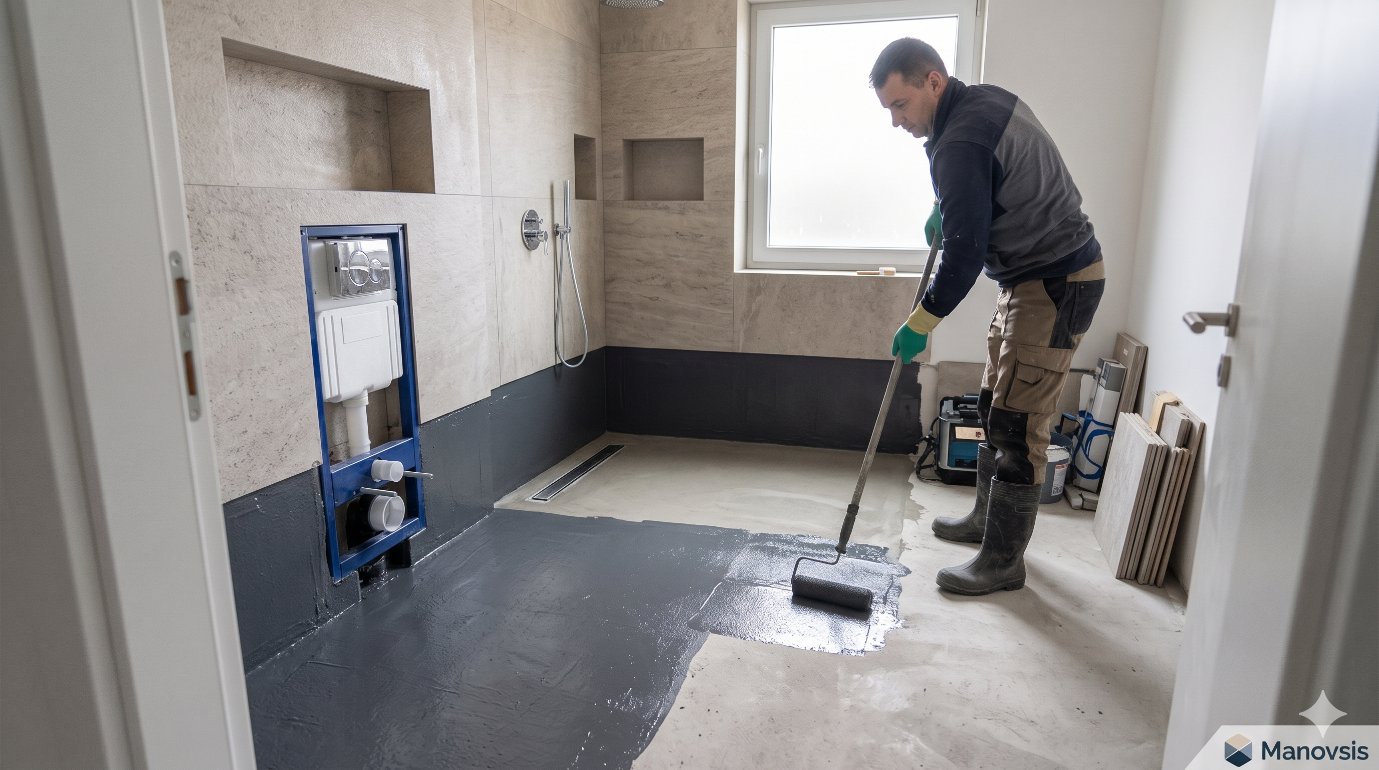
While the terrace deals with weather, bathrooms and wet areas face daily, concentrated water exposure from showers, taps, bathtubs, and concealed piping.
A common misconception is that ceramic or porcelain tiles are waterproof. While tiles themselves are impervious, grout lines and tile adhesives are not. Water naturally seeps through porous grout, micro-gaps around drains, and wall-floor transitions.
Common Signs of Bathroom Waterproofing Failure:
Peeling paint, damp patches, or bubbling wallpaper on adjacent bedroom walls.
Discoloration and water rings on the ceiling directly below the bathroom.
Persistent musty odours, regardless of ventilation and cleaning.
Loose or hollow-sounding floor tiles as water degrades the underlying mortar bed.
Essential Wet-Area Waterproofing Steps:
Continuous Waterproof Membrane Under Tiles: Before tiles are laid, apply an impermeable acrylic or cementitious polymer-modified membrane across the entire floor and up the walls.
Vertical Splash-Zone Protection: Waterproof membranes should extend up the walls—at least 1.8 meters (6 feet) within shower stalls and at least 30–45 cm (12–18 inches) along all other perimeter walls.
Drain and Pipe Penetration Collars: Apply specialized sealing tapes or elastomeric collars around all plumbing sleeves and waste drains to prevent water from tracking down alongside pipework.
Pre-Tile Ponding/Flood Testing: Always conduct a 48-hour flood test before tiling to confirm there are zero leaks.
Final Thoughts
Waterproofing is not an optional add-on or a place to cut corners—it is fundamental to the structural safety, resale value, and comfort of any home or commercial building.
Whether you are building from the ground up or undertaking renovations, invest in premium waterproofing materials, ensure meticulous surface preparation, and insist on skilled application. Protecting your structure from moisture today saves you from catastrophic headaches, health issues, and expensive structural repairs tomorrow.